Designing a shopfront that pulls people in
Short answer
A good shopfront is visible from a distance, shows the best products through the glass, makes the entrance obvious and welcoming, and stays secure after hours. On street-front shop lots it must also handle heavy rain and afternoon sun.
What makes a shopfront work?
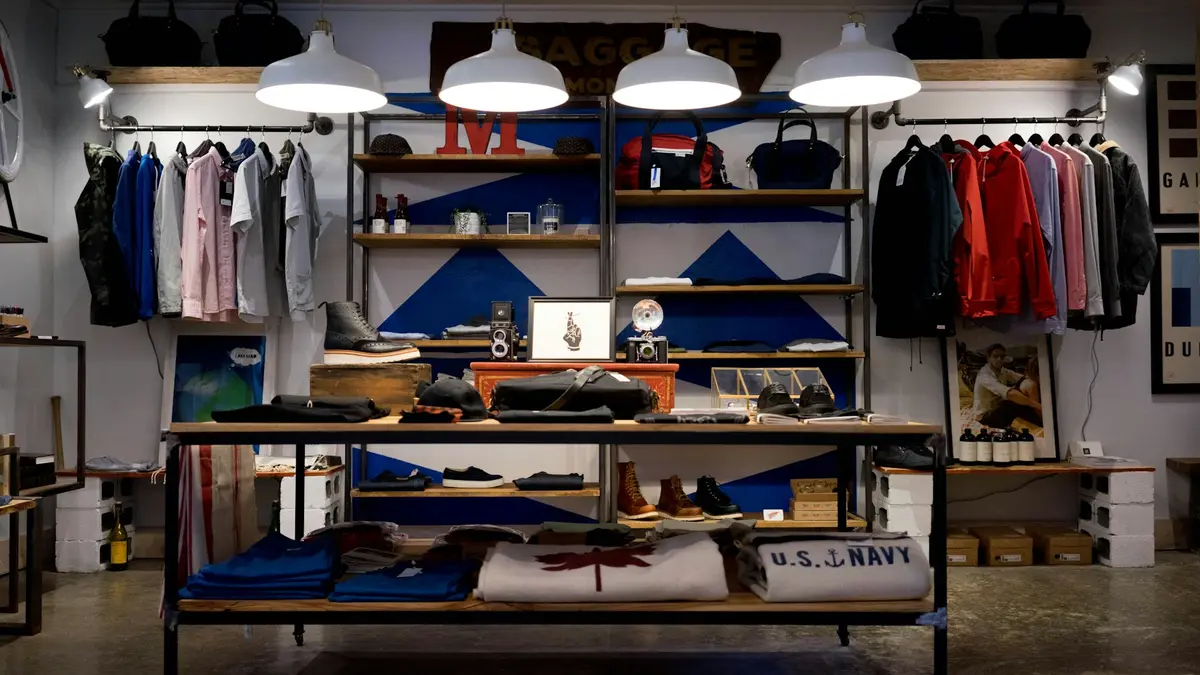
People decide in seconds whether to walk in. Clear glazing, a lit display just inside the window, a sign at the right height and a wide, level entrance all help. Clutter on the glass works against you.
- Clear sightlines into the shop
- Feature display visible from outside
- Sign at the right height and size
- Level, wide entrance
- After-hours security
What changes on a street-front shop lot?
Afternoon sun heats the shop and fades stock, so tinted or low-E glass and a canopy help. Heavy rain needs a proper threshold and drainage. Roller shutters provide security but need a neat box detail so they do not dominate the facade. Facade changes and signage need council approval — see the signboard permit guide.
How do you light it?
Light the window display brighter than the shop interior during the day, and keep the sign and window lit into the evening. Our shop renovation work includes shopfront glazing, shutters and signage.
Which shopfront glass is best for security?
Shopfront glass for security is laminated, because laminated glass holds together when broken instead of falling out of the frame. Toughened glass is strong but shatters into small pieces once broken, leaving an open hole.
Security also depends on the frame, locks and after-hours protection. Roller shutters or grilles behind the glass add a second layer for street-front shops. The retail lighting guide covers keeping the window lit after closing, which also deters break-ins.
What approvals does a shopfront change need?
A shopfront change on a street-front shop lot alters the building facade, so it goes to the local council and, in a strata building, to the JMB or MC. A shopfront inside a mall follows the mall’s tenant design manual.
The signboard above the shopfront needs its own advertisement licence from the council. The renovation permit checker lists the approvals for your shopfront, and the signboard permit guide explains the licence.
How do you make a shopfront easy to enter?
An easy entrance removes the small barriers that stop people walking in.
- A level threshold or a gentle ramp instead of a step
- A door that opens easily or stands open during trading
- A clear view of the products from the walkway
- An entrance wide enough for prams and wheelchairs
Illustrative example: renewing a shop lot shopfront
Illustrative example, not a client project: a pharmacy in a street-front shop lot replaces an old roller shutter and tinted glass. The new shopfront uses clear laminated glass with an automatic door and a canopy over the entrance.
A roller shutter sits behind the glass for after-hours security, and the window display is lit until late evening. The facade change goes to the council and the signboard licence is renewed with the new design. Customers see the products from the road, and the entrance is level for wheelchairs and prams.
Which shopfront mistakes reduce walk-in customers?
Small shopfront decisions affect how many people walk in.
- Dark or heavily tinted glass that hides the products
- Cluttered windows with too many posters
- A step or heavy door at the entrance
- Signage too small to read from across the road
Who is responsible for what in a shopfront project?
A shopfront project brings together the owner, landlord, council and contractor.
- Shop owner: sets the brand look, product display and security needs.
- Landlord or mall: approves the design and the signage zone.
- Local council: approves facade changes on street-front buildings and licenses the signboard.
- Contractor: builds the frame, glass, entrance and weatherproofing.
- Signboard maker: designs, fabricates and installs the sign to the approved drawing.
Which shopfront terms should you know?
These terms appear in shopfront drawings and specifications.
- Laminated glass: glass with an interlayer that holds it together when broken.
- Toughened glass: heat-treated glass that is strong but breaks into small pieces.
- Fascia: the band above the shopfront where the sign usually goes.
- Threshold: the floor transition at the entrance door.
- Canopy: a projecting cover that shelters the entrance from rain and sun.
What should you ask a shopfront contractor?
These questions cover security, weather and approvals.
- Which glass type do you recommend for security?
- How is the shopfront sealed against rain?
- Is the entrance level for wheelchairs?
- Who handles the council or mall approval?
Step-by-step
- 1 Check landlord and council rules.
- 2 Plan sightlines and display.
- 3 Choose glazing and shutter.
- 4 Design sign and lighting.
- 5 Detail threshold and drainage.
Checklist
- Rules checked
- Display planned
- Glazing chosen
- Signage approved
- Rain detail
Key takeaways
- Visibility and a clear entrance drive footfall.
- Shop lots need sun and rain protection.
- Facade and signage need approval.
Shopfront Design: common questions
How much glass should a shopfront have?
Enough to show the best products from the walkway while leaving space for signage and security. The right balance depends on the products and the street.
Does a shopfront change need council approval?
A shopfront change on a street-front building alters the facade and goes to the local council. A mall shopfront follows the mall’s design manual.
How do you protect a shopfront from rain and sun?
A canopy or awning, proper flashing and drainage above the glass, and solar-control glass or film protect the shopfront and the products behind it.
Is a frameless glass shopfront secure?
Frameless glass can be secure when it uses laminated glass, good locks and an after-hours shutter or grille.
How long does a shopfront replacement take?
The installation itself is quick once glass is measured and made, but approvals and glass fabrication set the overall time.
Is laminated glass more expensive than toughened glass?
Laminated glass usually costs more than toughened glass of similar thickness, and many shopfronts use it for its security benefit.
What makes a shopfront visible from a distance?
Visibility comes from a clear, well-lit sign at the right height, a bright window display that contrasts with the street, and an uncluttered facade without competing posters.
Should the shopfront door open inward or outward?
Door direction depends on the escape route, the walkway outside and the landlord’s rules. Doors that swing over a public walkway usually need approval.
Author Faiz Azizan (PhD) works as SEO author & researcher for commercialrenovation.my with Google KG. Contact via LinkedIn or web: drfaizazizan.com.