Lighting a shop so the merchandise sells itself
Short answer
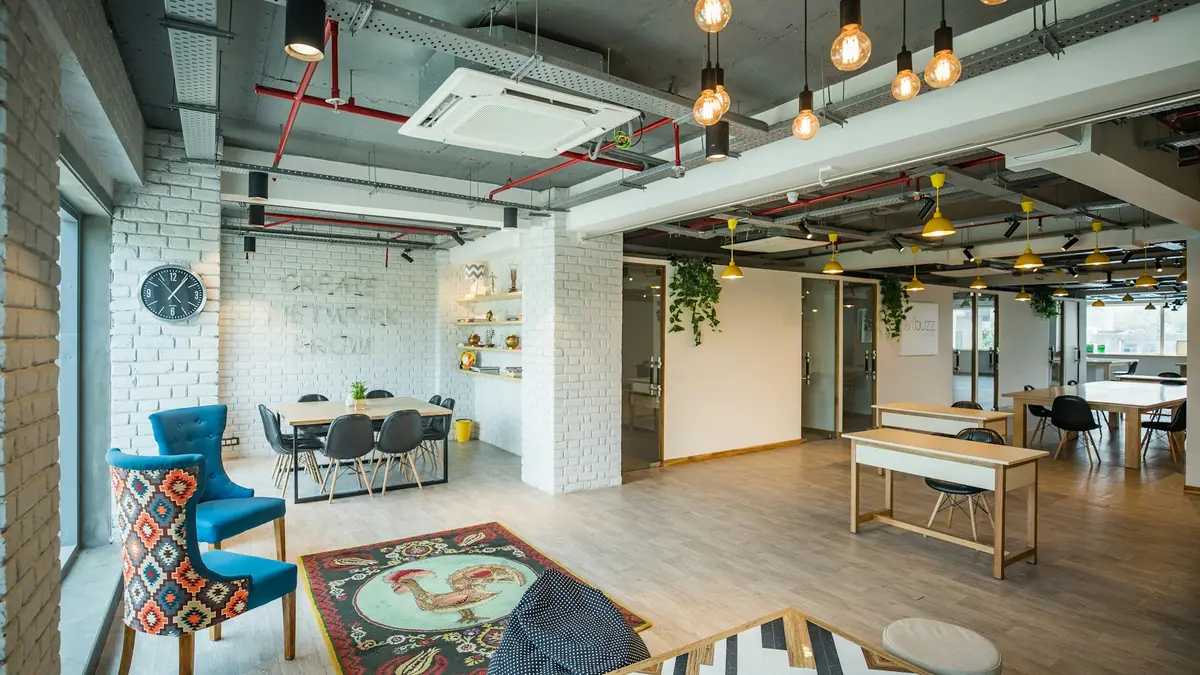
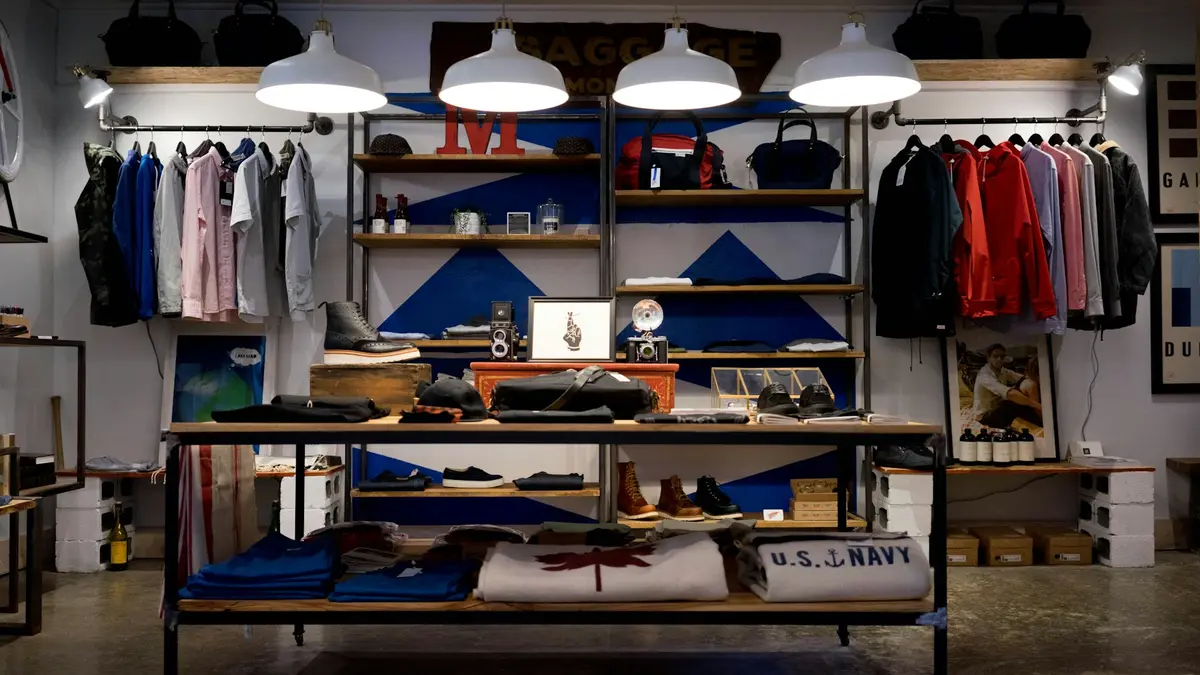
Retail lighting works in three layers: ambient light so the shop feels open, accent light that makes key products stand out, and display lighting inside shelves and cases. High colour rendering (CRI 90 or above is a common target) shows true colours, and warmer or cooler colour temperatures set the mood.
Why layer the lighting?
Uniform lighting makes a shop look flat. Contrast pulls the eye: brighter feature walls and displays draw customers deeper into the store. Ambient light sets the base, accent spots create the contrast, and display lighting finishes the job at shelf level.
- Ambient: LED downlights or panels for general light
- Accent: adjustable track spots on feature displays
- Display: LED strips inside shelving and cases
What colour temperature and rendering should you use?
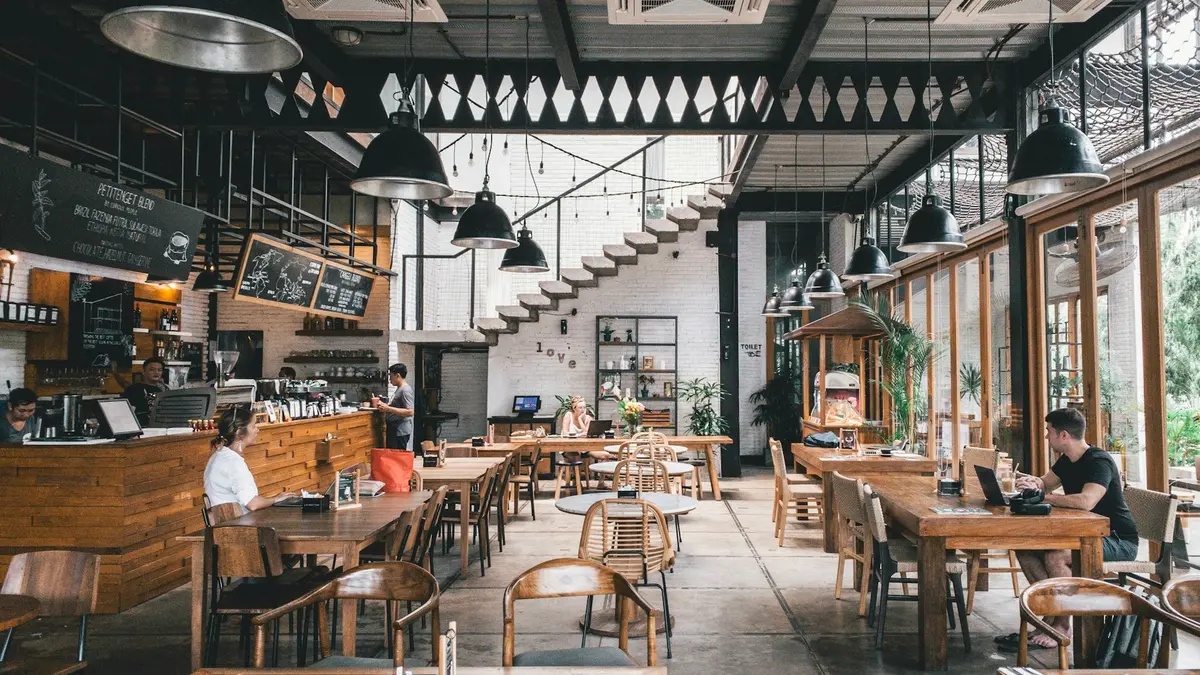
Warm white suits fashion, furniture and F&B retail; neutral white suits electronics, pharmacies and supermarkets. Colour rendering matters more than people think — low-CRI lighting makes fabrics and food look dull. Many retailers specify CRI 90 or higher for merchandise.
How do you avoid glare and wasted energy?
Aim spots at products, not at eyes. Use fittings with good cut-off. LED fittings with timers or zones keep energy bills down, and lower heat output eases the load on air-conditioning — useful in a glass-fronted Malaysian shop. Lighting is part of every shop renovation we scope.
How many lights does a retail shop need?
The number of lights in a retail shop follows the light level needed on the products, not a fixed count per square foot. A lighting designer works out the ambient level first, then adds accent lights where the eye should go. Calculating this in a lighting design before ordering avoids a shop that is too dark in the corners and too bright at the counter.
Track lighting keeps the accent layer flexible when displays move. The shopfront design guide covers lighting the window, which draws people in from the walkway.
Which lighting mistakes make products look worse?
Retail lighting mistakes are easy to spot once the shop opens and expensive to fix after the ceiling closes.
- Low colour rendering that makes food, fabric and skin tones look dull
- Mixing warm and cool lamps in the same display
- Spotlights aimed into customers’ eyes or onto mirrors
- Shelf lighting that leaves the top and bottom shelves in shadow
- No dimming or scene control for different times of day
How does lighting fit into a shop renovation?
Lighting fits into a shop renovation at the ceiling design stage, because track positions, downlight layout and power points are fixed before the ceiling closes. Changing the layout after the ceiling is built means new holes, patching and repainting.
Our shop renovation team coordinates the lighting layout with the display plan and the electrical design. The mall fit-out guide explains how mall ceilings and power connections affect that layout.
Illustrative example: relighting a cosmetics counter
Illustrative example, not a client project: a cosmetics shop finds that customers step outside to check colours in daylight. The lighting review shows low colour rendering lamps and spotlights that cast shadows on faces at the mirror.
The relighting uses high colour rendering LED fittings, soft vertical light around the mirror and track spots aimed at the shelves instead of the aisle. Customers can judge colours at the counter, and the shop uses less energy than before because the LED fittings replace older lamps.
What should a retail lighting brief include?
A short lighting brief helps the designer light the products the way the brand wants them seen.
- Products and the colours that matter most
- Brand mood: warm and calm or bright and energetic
- Display layout and how often it changes
- Trading hours and daylight in the shop
- Energy and maintenance expectations
Who is responsible for what in retail lighting?
Retail lighting decisions involve brand, design and electrical roles.
- Retailer: describes the products, brand mood and display changes.
- Lighting designer: sets light levels, colour temperature, rendering and fitting positions.
- Registered electrical contractor: installs circuits, tracks and controls and certifies new electrical work.
- Mall or landlord: sets limits on ceiling works and power connections in shopping centres.
- Store team: aims track spots correctly after each display change.
Which lighting terms appear in retail lighting designs?
These terms help owners discuss lighting with designers and suppliers.
- Lux: the amount of light falling on a surface.
- Colour temperature: how warm or cool white light looks, measured in kelvin.
- Colour rendering index (CRI): how faithfully a light source shows colours.
- Beam angle: how widely a light spreads from the fitting.
- Accent lighting: focused light that highlights selected products.
Step-by-step
- 1 Plan the customer route.
- 2 Set ambient levels.
- 3 Place accent spots on feature displays.
- 4 Add display lighting.
- 5 Choose CRI and colour temperature.
- 6 Zone circuits for control.
Checklist
- Three lighting layers
- CRI suited to merchandise
- Glare controlled
- Circuits zoned
Key takeaways
- Layer ambient, accent and display light.
- High CRI shows true colours.
- LED cuts energy and heat.
Retail Lighting Design: common questions
What colour temperature is best for a retail shop?
Warmer light suits fashion, furniture and food, while cooler light suits electronics and pharmacies. The right choice follows the products and the brand.
What does CRI mean in shop lighting?
CRI, the colour rendering index, measures how faithfully a light shows colours. CRI 90 or above is a common target for retail displays.
Does LED lighting reduce running costs in a shop?
Yes. LED fittings use less energy and give off less heat than older lamp types, which also reduces the air-conditioning load.
Should shop lighting be on a timer?
Timers and scene controls help: window lighting can stay on after closing for visibility while the rest of the shop dims.
Do shop lights affect air-conditioning?
Yes. Lights add heat to the space, so efficient LED lighting reduces the cooling load.
What is lux in shop lighting?
Lux measures how much light falls on a surface. Retail lighting designs set lux levels for general areas and higher levels for featured displays.
How do you light a shop with low ceilings?
Low ceilings suit recessed downlights and slim track systems with careful aiming, so customers do not look straight into the light. Wall washing makes a low room feel larger.
Can retail lighting reduce shoplifting?
Even lighting with no dark corners improves visibility for staff and cameras, which supports other security measures.
Author Faiz Azizan (PhD) works as SEO author & researcher for commercialrenovation.my with Google KG. Contact via LinkedIn or web: drfaizazizan.com.