Upgrading a factory to LED high-bay lighting
Short answer
Replacing old metal-halide or fluorescent high-bays with LED high-bays usually cuts lighting energy substantially, gives instant-on light and lowers heat in the building. A good upgrade starts with a lighting design for the right levels on the working plane, then adds motion and daylight controls where traffic is intermittent.
Why upgrade to LED?
Older high-bay lamps take minutes to warm up, lose output over time and run hot. LED fittings switch on instantly, last longer and can be dimmed or switched by sensors. Less heat also helps ventilation in hot Malaysian factory buildings.
How do you design the layout?
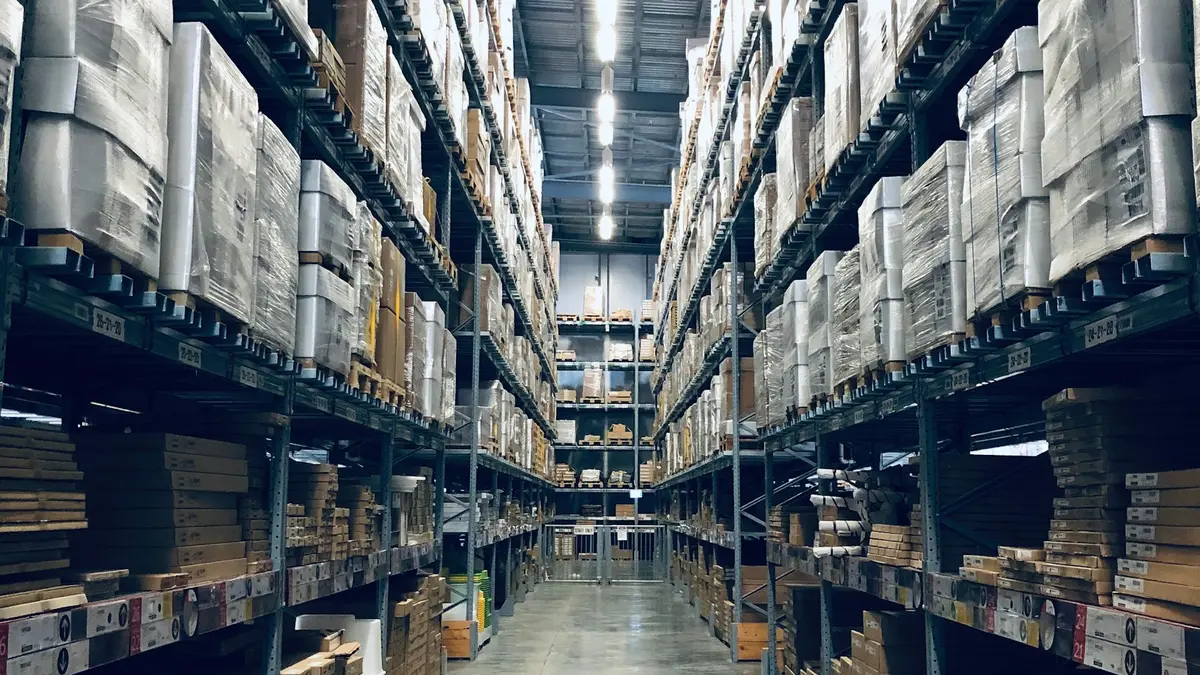
Set target light levels for each area — racking aisles, assembly, inspection and loading bays differ. Choose beam angles to suit mounting height and racking. A lighting calculation confirms even light without dark aisles.
- Target levels per area
- Beam angle for aisle or open area
- Mounting height
- Glare control for drivers
Which controls save the most?
Motion sensors in rarely used aisles, and daylight sensors near skylights, deliver most of the extra savings. Installation is done zone by zone by a registered electrical contractor — see electrical upgrades and our factory renovation service.
How do you calculate payback on an LED high-bay upgrade?
Payback on an LED high-bay upgrade compares the upgrade cost with the yearly savings. The savings come from lower wattage per fitting, fewer operating hours with controls, and lower maintenance because LED fittings last longer than older lamps.
An accurate payback uses the factory’s real operating hours and electricity tariff, not a generic figure. Our factory renovation team builds the calculation from the existing fitting count and the new lighting design.
Which light levels suit different factory areas?
Factory areas need different light levels depending on the task.
- Bulk storage and aisles: lower general lighting
- General production: higher, even lighting on the work surface
- Inspection and fine assembly: high levels with good colour rendering
- Loading bays: lighting that covers truck interiors and the dock edge
Does an LED upgrade need electrical approval?
An LED high-bay upgrade is electrical work, so it is carried out by an electrical contractor registered with Suruhanjaya Tenaga. Replacing fittings on the same circuits is simpler than adding new circuits, but new circuits or boards are certified with Form G and Form H.
The commercial electrical upgrade guide explains those certificates. The upgrade is often combined with roof or floor works covered in the warehouse roof repair guide.
Illustrative example: relighting a warehouse with LED high-bays
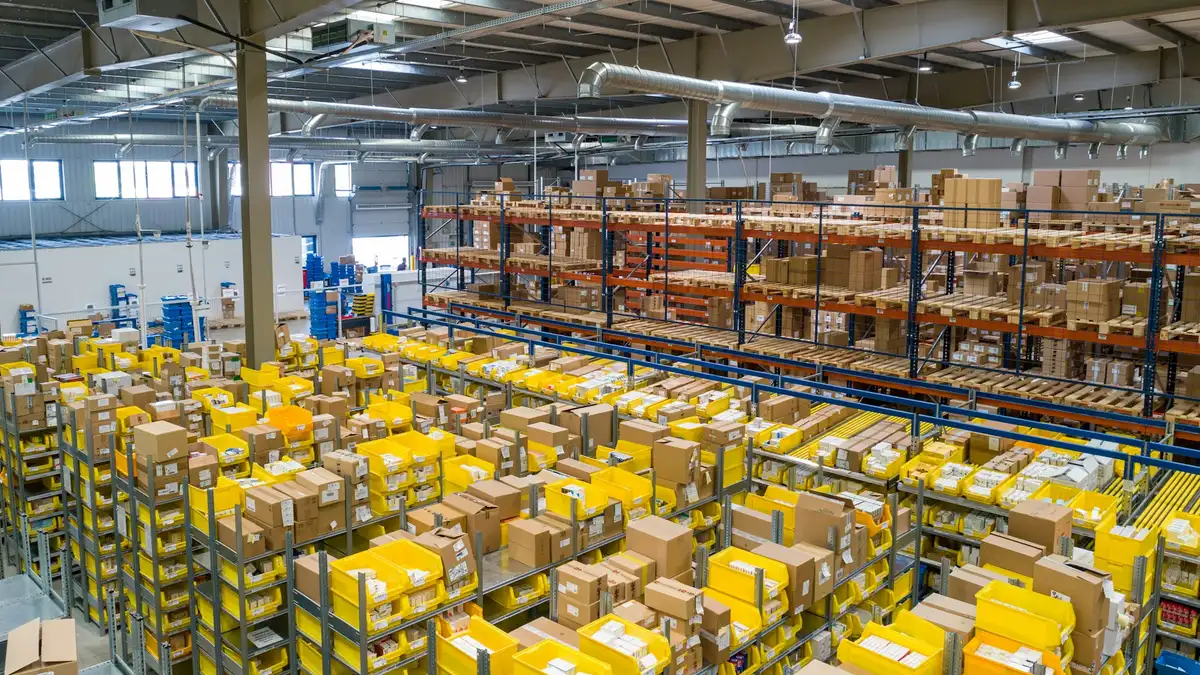
Illustrative example, not a client project: a distribution warehouse replaces old metal-halide high-bays that take minutes to restart and leave dark aisles. A lighting design places LED high-bays to light the racking faces evenly.
Motion sensors dim aisle lighting when no forklifts pass, and daylight sensors switch off fittings near the roof lights. A registered electrical contractor installs the fittings on the existing circuits after testing them. Light levels improve and the lighting energy bill falls.
Which LED upgrade mistakes reduce the benefit?
An LED upgrade underperforms when it copies the old layout.
- Replacing fittings one-for-one without a lighting design
- Wrong beam angle for high racking aisles
- No controls in areas with intermittent traffic
- Cheap fittings with short warranties
Who is responsible for what in an LED lighting upgrade?
An LED upgrade involves electrical, lighting and operational roles.
- Factory owner: provides operating hours, tariff data and the areas that need better light.
- Lighting designer: calculates fitting positions and light levels for each area.
- Registered electrical contractor: installs the fittings, tests the circuits and certifies new work with Form G and Form H.
- Supplier: provides fittings with published data and warranties.
- Maintenance team: keeps controls set correctly and records failures within the warranty period.
Which lighting terms appear in an LED high-bay proposal?
These terms help owners compare LED high-bay proposals.
- High-bay: a light fitting designed for high ceilings in factories and warehouses.
- Metal halide: an older high-intensity lamp type replaced by LED in many upgrades.
- Lumen: the total light output of a fitting.
- Efficacy: light output per watt, a measure of efficiency.
- Motion sensor: a control that dims or switches lights based on movement.
- Daylight sensor: a control that reduces artificial light when daylight is enough.
What should you ask your LED supplier?
These questions confirm that the upgrade delivers what it promises.
- Is there a lighting design for my building?
- What light level will the work surfaces receive?
- What is the warranty on fittings and drivers?
- Which controls are included?
- Can the fittings use the existing circuits?
Step-by-step
- 1 Survey existing lighting and hours.
- 2 Set target levels.
- 3 Design layout and beams.
- 4 Add controls.
- 5 Install zone by zone.
- 6 Measure results.
Checklist
- Survey done
- Levels set
- Layout calculated
- Controls specified
- Certificates issued
Key takeaways
- LED cuts energy and heat.
- Design levels for each task.
- Sensors add extra savings.
LED High Bay Lighting Upgrade: common questions
How much energy does LED high-bay lighting save?
LED high-bays use substantially less energy than metal-halide fittings, and controls add further savings. The exact saving depends on the existing fittings and operating hours.
Can LED high-bays use the existing wiring?
Often yes, if the circuits are in good condition. A registered electrical contractor checks the wiring before reuse.
Do LED high-bays reduce heat in a factory?
Yes. LED fittings give off less heat than metal-halide lamps, which helps in hot buildings.
What beam angle suits warehouse aisles?
Narrow beam angles suit high, narrow racking aisles, while wider beams suit open production areas. A lighting design confirms the choice.
Do LED high-bays work with motion sensors?
Yes. LED fittings switch and dim instantly, which makes them well suited to motion and daylight controls.
What is lighting efficacy?
Efficacy is the light output a fitting gives per watt of power. Higher efficacy means more light for the same energy.
How long do LED high-bay fittings last?
LED high-bay fittings are rated for far longer operating lives than metal-halide lamps, and the manufacturer’s data sheet states the rated life and warranty. Heat, voltage quality and the driver usually decide real-world life, so buy fittings with published data and a clear warranty on the driver.
Should an LED upgrade be done during a shutdown?
Fitting replacement can often run zone by zone during production, using mobile access platforms in cleared aisles. Circuit changes at the main board are better scheduled during a planned shutdown.
Author Faiz Azizan (PhD) works as SEO author & researcher for commercialrenovation.my with Google KG. Contact via LinkedIn or web: drfaizazizan.com.