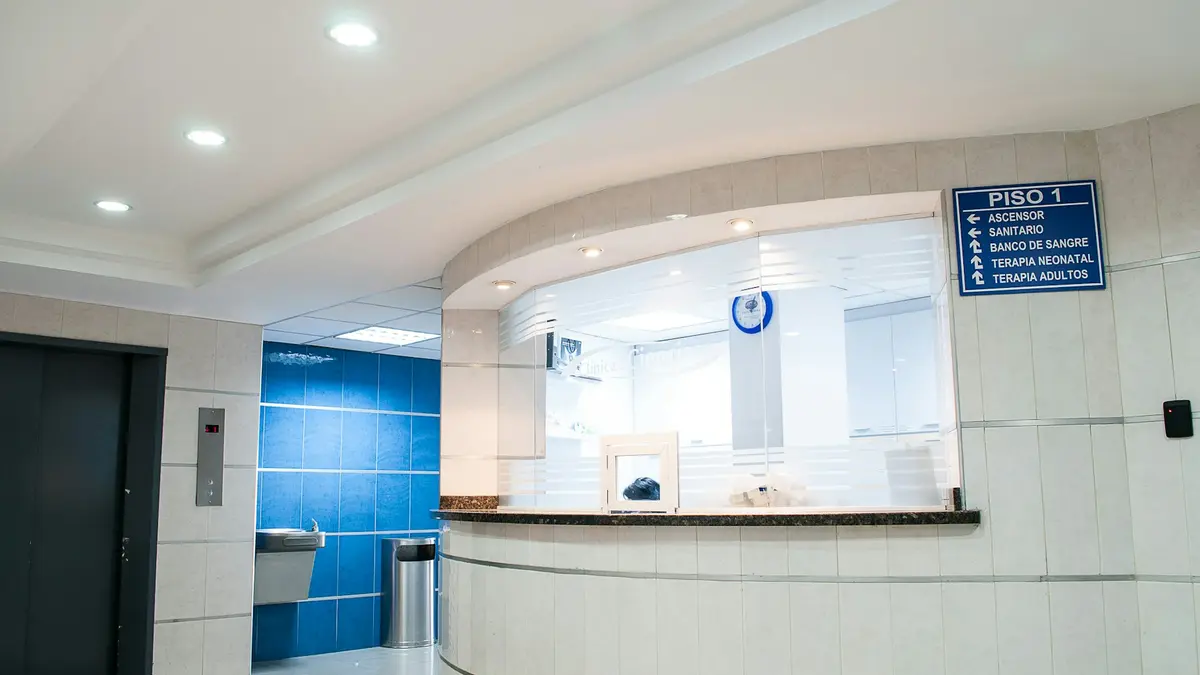
Choosing finishes that stand up to clinical cleaning
Short answer
Infection-control finishes are smooth, seamless and resistant to hospital disinfectants. Common choices are welded sheet vinyl with coved skirting on floors, solid-surface or stainless counters, scrubbable antibacterial paint on walls and sealed, washable ceiling tiles in clinical rooms.
What makes a finish suitable?
Germs collect in joints, gaps and rough surfaces. A clinical finish has as few joints as possible, no corners where dirt sits, and a surface that will not break down under repeated disinfecting.
- Seamless or welded joints
- Coved junctions between floor and wall
- Non-porous surfaces
- Resistant to common disinfectants
Which materials work for each surface?
Floors: welded sheet vinyl turned up the wall as a cove. Walls: scrubbable paint or hygienic wall cladding behind basins and in procedure rooms. Counters: solid surface with integrated basins, or stainless steel. Ceilings: washable, sealed tiles or plasterboard in clinical rooms.
What details are often missed?
Gaps around pipes and sockets, open shelving, and hard-to-reach tops of cabinets. Hands-free taps and wall-hung fittings make cleaning easier. These details are standard in our clinic renovation work; see also dental clinic design.
Which disinfectants do clinic finishes need to resist?
Clinic finishes are cleaned many times a day with hospital-grade disinfectants, including chlorine-based and alcohol-based products. A finish that discolours, softens or cracks under these products stops being cleanable.
Manufacturers publish chemical resistance data for flooring, wall coatings and counter materials. Checking that data against the disinfectants the clinic plans to use is part of selecting finishes. Our clinic renovation team confirms resistance before ordering.
How do you keep joints and edges cleanable?
Joints and edges are where dirt and microbes collect, so infection-control detailing removes them where possible.
- Coved skirting that turns the floor up the wall with no corner
- Welded seams in sheet vinyl instead of open tile joints
- Integrated sinks in solid-surface counters, with no rim
- Sealed edges around pipes, sockets and fittings
- Flush ceilings in clinical rooms instead of open grids
Do the same finishes suit restaurant kitchens?
Restaurant kitchens share the need for smooth, washable surfaces, but they face heat, grease and heavy washdown rather than disinfectants. Coved resin floors, hygienic wall panels and stainless steel suit kitchens, as the Food Hygiene Regulations 2009 require surfaces that can be kept clean.
The restaurant kitchen requirements guide covers kitchen finishes, and the dental clinic design guide shows how finishes meet services in a surgery.
Illustrative example: upgrading a treatment room
Illustrative example, not a client project: an aesthetic clinic’s treatment room has vinyl tiles with open joints, a laminate counter with a rimmed sink and a grid ceiling. Staff struggle to keep joints and edges clean.
The upgrade replaces the floor with welded sheet vinyl and coved skirting, installs a solid-surface counter with an integrated sink and fits a flush, washable ceiling. Walls are repainted with scrubbable paint. Cleaning becomes faster and leaves no joints for dirt to collect.
Which finish choices undermine infection control?
Some common finish choices make clinical cleaning harder.
- Open-joint tiles in clinical rooms
- Fabric chairs or curtains that cannot be wiped
- Timber or laminate counters near sinks
- Exposed pipes and ledges that gather dust
Who is responsible for what when choosing clinic finishes?
Choosing clinic finishes involves clinical, design and construction roles.
- Clinic owner and infection-control lead: list the disinfectants and cleaning routines the finishes must survive.
- Designer: selects finishes and details joints, skirtings and counters for each room.
- Contractor: installs finishes to the manufacturer’s method, including welded seams and coved skirting.
- Manufacturer: publishes chemical resistance and maintenance guidance.
- Cleaning staff: follow the approved products so finishes and warranties stay intact.
Which infection-control finish terms should you know?
These terms appear in clinic finish schedules.
- Welded sheet vinyl: vinyl flooring laid in sheets with heat-welded seams that leave no open joints.
- Coved skirting: a curved junction between floor and wall that removes the corner.
- Solid surface: a non-porous counter material that can be joined seamlessly.
- Scrubbable paint: a wall paint that withstands repeated wet cleaning.
- Chemical resistance: how well a finish withstands cleaning products without damage.
- Flush ceiling: a continuous ceiling with no exposed grid or open joints.
What should you ask when choosing clinic finishes?
These questions confirm that finishes suit clinical cleaning.
- Is this finish resistant to the disinfectants we use?
- Are the seams welded or sealed?
- How does the floor meet the wall?
- What maintenance does the manufacturer require?
- What happens if the surface is damaged?
Step-by-step
- 1 List clinical and non-clinical rooms.
- 2 Choose floor, wall, counter and ceiling finishes.
- 3 Detail coves and seals.
- 4 Specify hands-free fittings.
- 5 Check cleaning access.
Checklist
- Welded vinyl with coves
- Scrubbable walls
- Solid-surface counters
- Sealed ceilings
- Hands-free taps
Key takeaways
- Fewer joints mean fewer dirt traps.
- Coves make floors easy to clean.
- Details matter as much as materials.
Infection Control Finishes: common questions
Is vinyl flooring suitable for clinics?
Welded sheet vinyl with coved skirting is one of the most common clinic floors, because it is seamless, cleanable and resistant to disinfectants.
What paint is used in clinics?
Clinical areas use scrubbable, washable paint, often with antibacterial additives, that tolerates frequent cleaning.
Are carpets allowed in clinics?
Carpets are avoided in clinical areas because they cannot be disinfected properly. Waiting areas sometimes use them, but hard floors are easier to keep clean.
What is coved skirting?
Coved skirting curves the floor finish up the wall, removing the corner where dirt collects and making the floor easier to clean.
Are solid-surface counters good for clinics?
Yes. Solid-surface counters are seamless, can include integrated sinks and are easy to clean.
Why are open joints a problem in clinics?
Open joints collect dirt and moisture and are hard to disinfect, so clinical rooms use seamless or sealed finishes.
Can existing floors be kept in a clinic renovation?
Existing floors can be kept in non-clinical areas if they are in good condition. Clinical rooms usually need a seamless, cleanable floor.
How long does a clinic floor replacement take?
Replacing a clinic floor depends on the area, the condition of the screed underneath and the curing time of the adhesive. Planning the work over a weekend or a short closure keeps the clinic running.
Are antibacterial finishes necessary?
Antibacterial additives help, but cleaning routines and seamless detailing matter more. A smooth, sealed surface that staff can clean properly does most of the work.
Author Faiz Azizan (PhD) works as SEO author & researcher for commercialrenovation.my with Google KG. Contact via LinkedIn or web: drfaizazizan.com.